

How to choose the best tinned sardines?
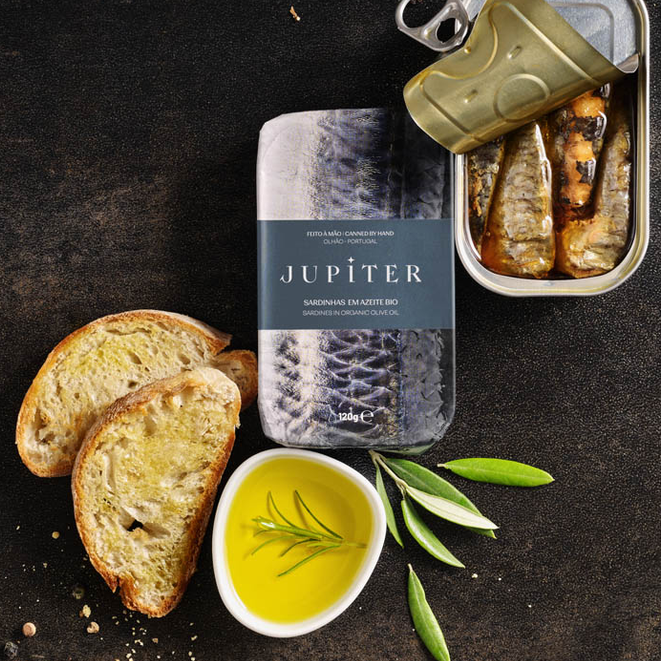
A few years ago, for most most of us, sardines were just another tinned food item. However, in the culinary world, quality sardines have long been valued quite differently. The best versions are made according to centuries-old recipes, hand-packed in coastal towns in Portugal, and often aged similarly to fine wine.
Over the past two years, working exclusively with Portuguese tinned fish, we've had the opportunity to get acquainted with dozens of producers and hundreds of different products. One conclusion emerged very quickly - not all sardines are created equal.
10 criteria to help you choose quality canned sardines
In this guide, we will review the most important criteria to help you choose the best canned sardines according to your taste and needs.
1. Why do some sardines cost €2 and others €8?
This is one of the most common questions we hear from people encountering Portuguese sardines for the first time.
At first glance, all cans look similar – fish, oil, and a few additional ingredients. However, the true quality lies in the details.
The price of more expensive sardines is usually determined by:
-
higher quality raw materials;
-
seasonal fishing;
-
manual selection of fish;
-
manual packing;
-
high-quality olive oil;
-
smaller production quantities;
-
long-standing manufacturing traditions.
As in the world of wine, the biggest differences are revealed not on the label, but upon tasting the product.
2. Sardine species matters more than it seems
Not all sardines are the same species of fish.
In the European culinary world, the Atlantic sardine (Sardina pilchardus), found off the coasts of Portugal, Spain, and France, is considered the gold standard.
This species is valued for:
-
meatier texture;
-
higher omega-3 content;
-
milder taste;
-
excellent aging potential.
Most high-quality Portuguese sardines are made from this particular species.
3. Where are the sardines caught?
Experienced sardine connoisseurs always pay attention to origin.
The most valued regions are:
-
Portugal's Atlantic coast;
-
Galicia in Spain;
-
Brittany in France.
Portugal stands out not only for the quality of its fish but also for its centuries-old canning traditions. Towns like Matosinhos, Setúbal, or Portimão are still renowned for their top-quality canned fish.
It's no surprise, then, that many of the world's most highly regarded producers are Portuguese.
4. What oil is used?
This is one of the most important indicators of quality.
Cheaper products often use:
-
sunflower oil;
-
refined vegetable oil;
-
various oil blends.
Meanwhile, higher-end products usually contain:
-
olive oil;
-
extra virgin olive oil.
Quality olive oil not only enhances the flavor but also allows the sardines to mature naturally over time.
5. Are the sardines hand-packed?
This is a criterion many people don't even consider.
In mass production, fish are usually packed automatically. However, many premium Portuguese producers still maintain traditional manual labor.
Workers:
-
hand-select the fish;
-
carefully arrange them into cans;
-
visually inspect each batch.
This is why, when you open a quality can, you often see neatly arranged, undamaged sardines.
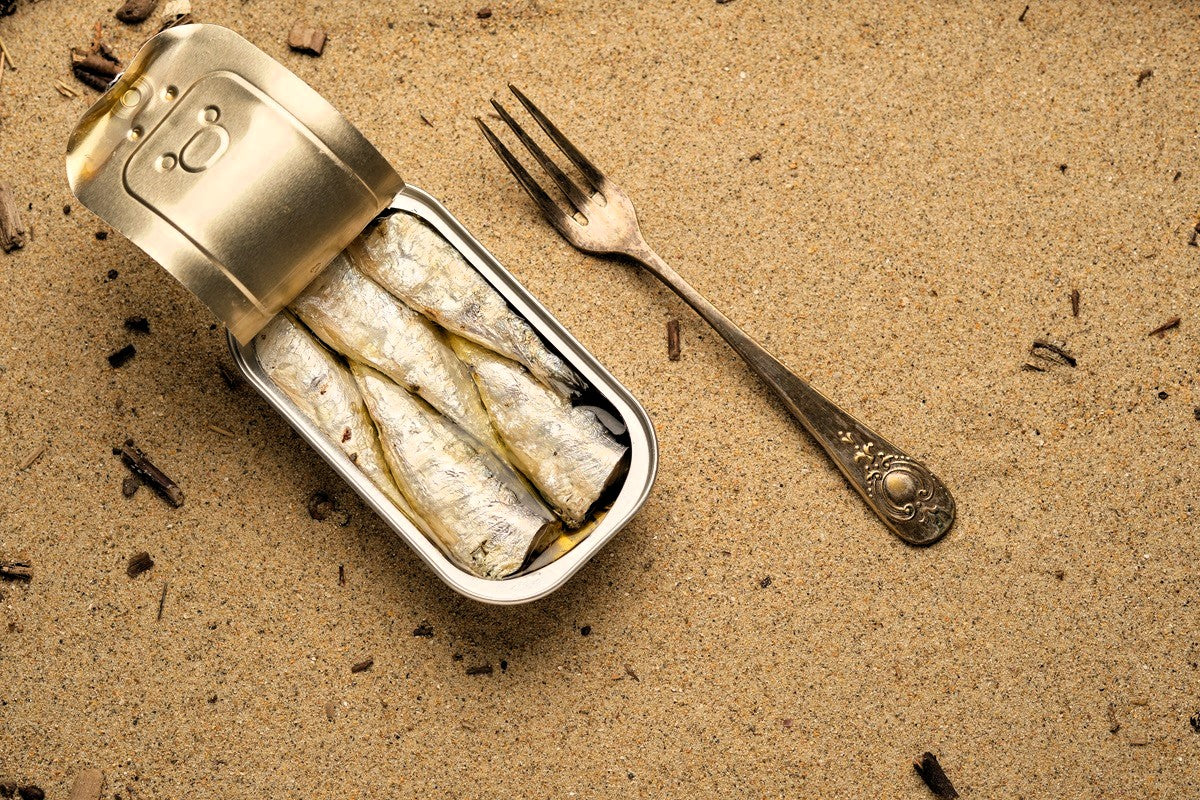
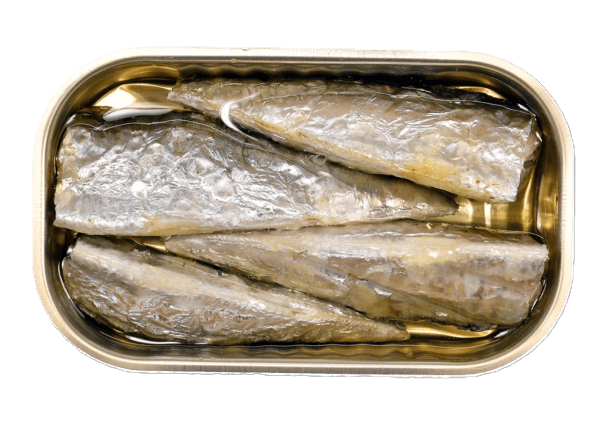
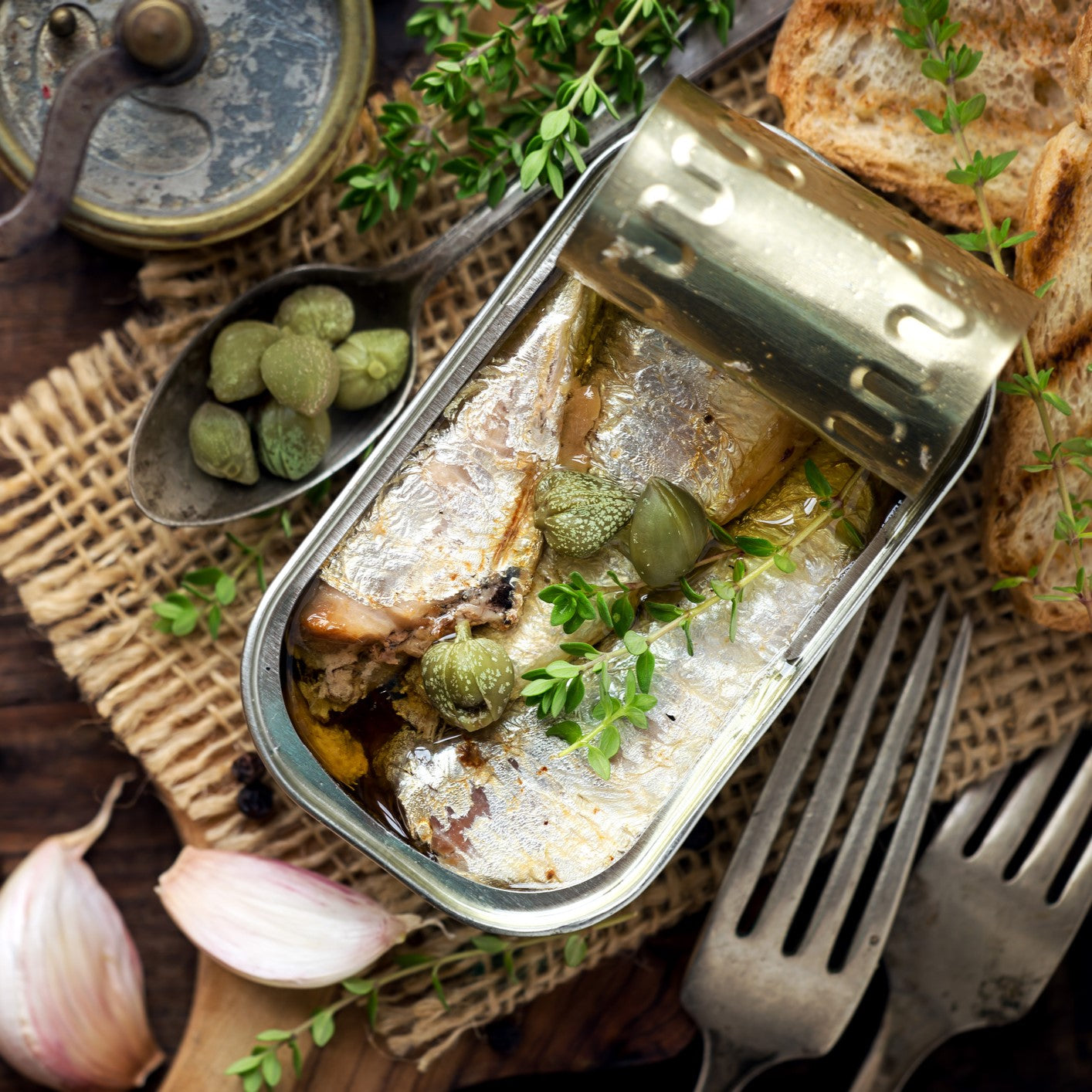
6. What do quality sardines look like when the can is opened?
Experienced sardine enthusiasts can tell a lot just by looking at an opened can.
Quality sardines typically feature:
✓ intact shape
✓ undamaged skin
✓ clear oil
✓ natural sea aroma
✓ firm yet tender texture
If the fish appears dry, crumbles, or the oil is cloudy, it often signals lower quality.

7. How many fish are in the can?
Many buyers believe that more fish means a better product.
However, in the premium class, the opposite logic often applies.
Higher quality producers often choose:
-
2-4 larger sardines;
-
more careful selection;
-
more uniform fish size.
Such sardines usually have a better texture and richer flavor.
8. What are vintage sardines?
One of the most fascinating phenomena in the world of canned sardines.
Unlike most canned goods, high-quality sardines can age.
Over time:
-
the oil penetrates deeper into the fish;
-
the texture becomes softer;
-
the flavor becomes richer and more complex.
For this reason, some producers mark specific vintage years, similar to winemakers.
Vintage sardines are now considered a true gastronomic delicacy.
9. Are organic sardines really better?
This is one of the most frequently asked questions.
The short answer is - not necessarily.
An organic certificate doesn't guarantee better taste, but it ensures:
-
certified ingredients;
-
organic olive oil;
-
stricter control of production processes;
-
greater transparency in production.
For many buyers, this becomes an important selection criterion.
10. Sardine quality evaluation table
If we needed to quickly assess sardine quality, we would first pay attention to these criteria:
| Criterion | Why it's important? |
|---|---|
| Fish species | Sardina pilchardus is most highly valued |
| Origin | Portugal and Spain are considered the benchmark |
| Oil | Olive oil usually provides a better taste |
| Packaging | Hand-packing helps preserve quality |
| Ingredients | The shorter the list, the better |
| Vintage year | Relevant for vintage sardines |
| Organic certificate | An additional sustainability mark |
What did we notice when tasting sardines from different producers?
Over the past two years, working exclusively with Portuguese canned fish, we've had the opportunity to taste many different products.
While everyone's taste differs, certain trends recur consistently.
Papa Anzóis
Often stands out with larger fish, excellent quality olive oil, and a very clean taste.
Maria Organic
One of the best choices for organic product enthusiasts. The taste is natural and balanced.
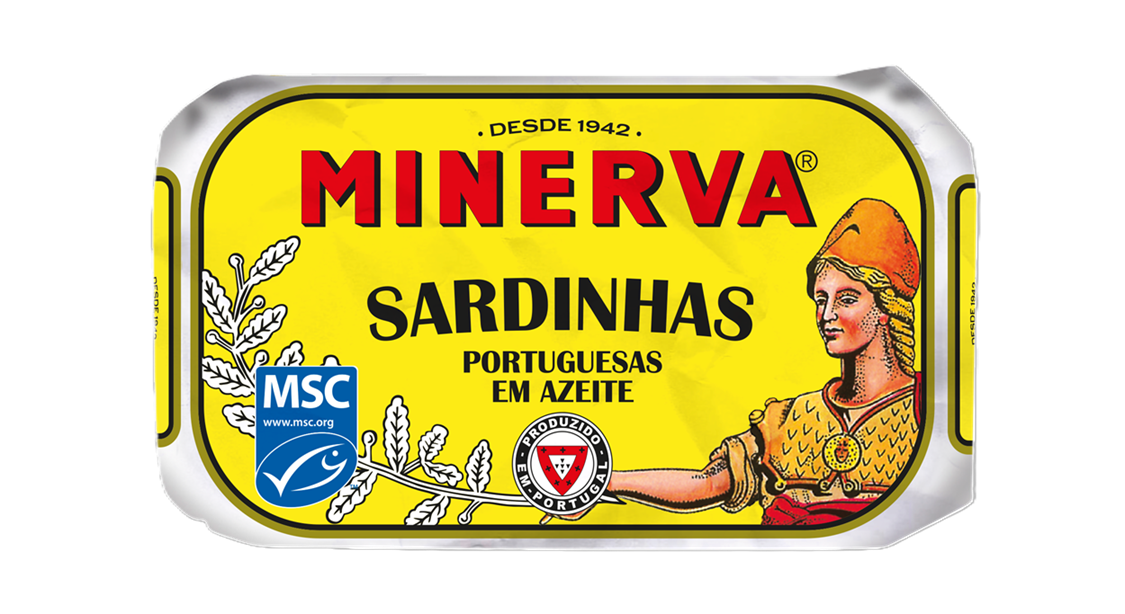
Minerva
A great choice for those trying Portuguese sardines for the first time. Good value for money.
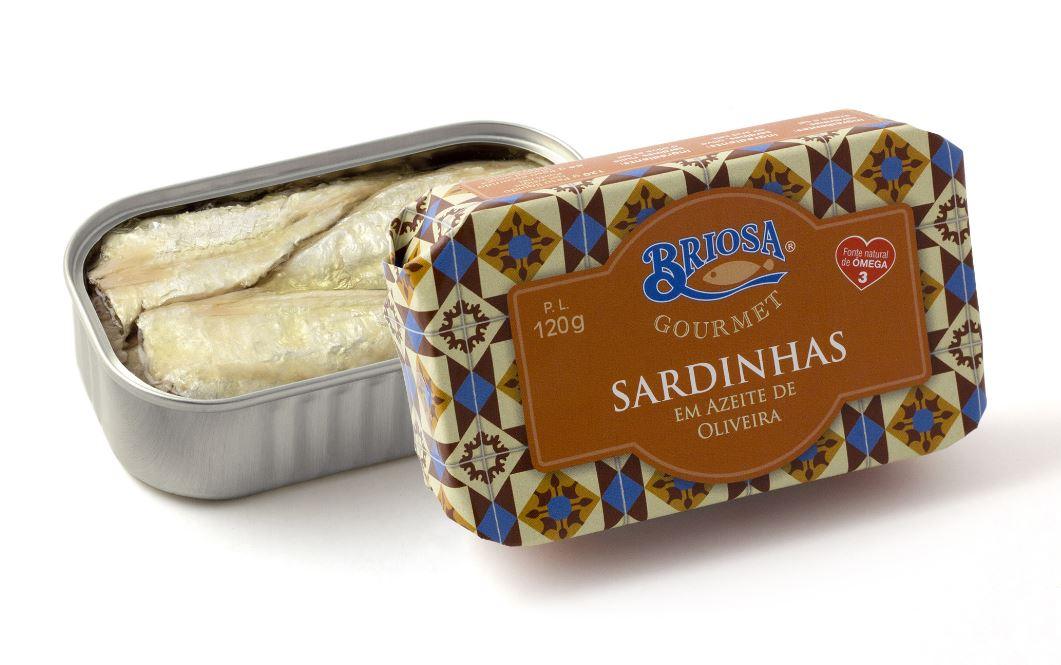
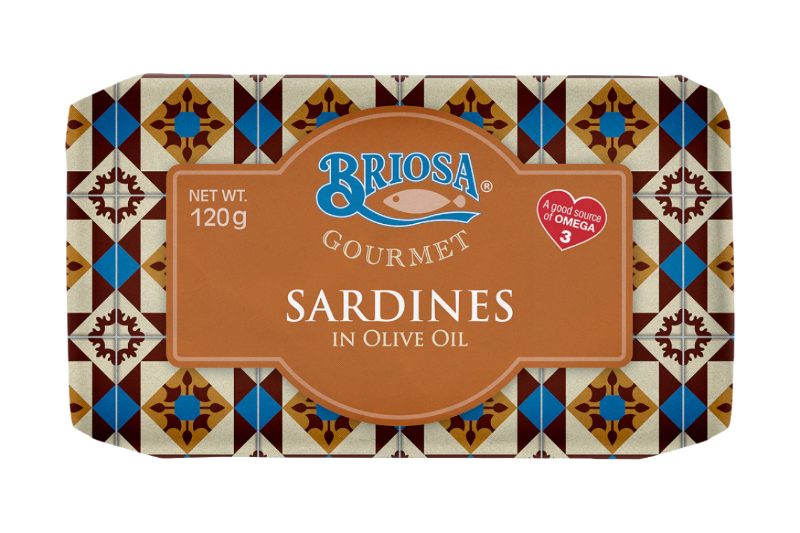
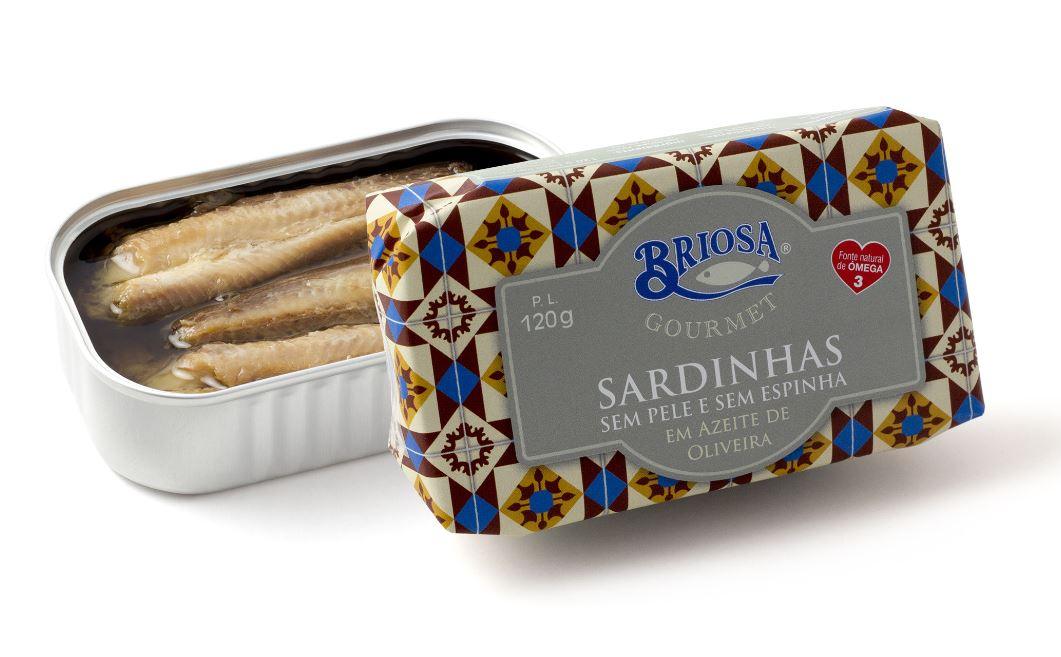
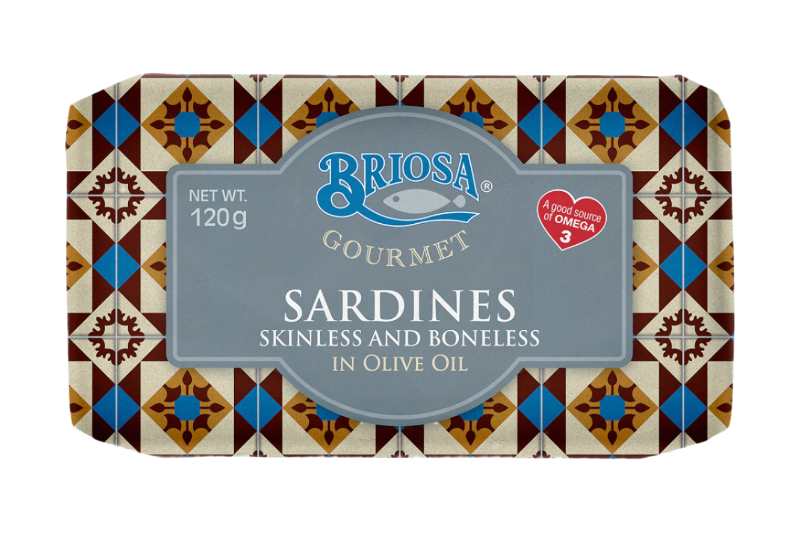
Briosa Gourmet
Distinguishes itself with creative recipes and a wider variety of flavors.
It's important to understand that "the best sardines" are usually not the same for everyone – much depends on personal taste.
5 myths about canned sardines
Myth No. 1: All sardines are the same
Different producers, recipes, and raw materials can lead to very different results.
Myth No. 2: Canned fish is always inferior to fresh
High-quality sardines are often canned within hours of being caught.
Myth No. 3: Sardine bones are hard
During canning, they soften and become an excellent source of calcium.
Myth No. 4: More expensive sardines are just marketing
A higher price is usually due to better raw materials and more manual labor.
Myth No. 5: Sardines are only for sandwiches
In Portugal, they are used in dozens of different recipes – from salads to gourmet tasting plates.
What sardines would a Portuguese person choose?
For daily consumption
Classic sardines in olive oil.
For a first introduction
Balanced traditional Portuguese sardines.
As a gift
Vintage or gourmet sardines.
For tasting
A set from several different producers.
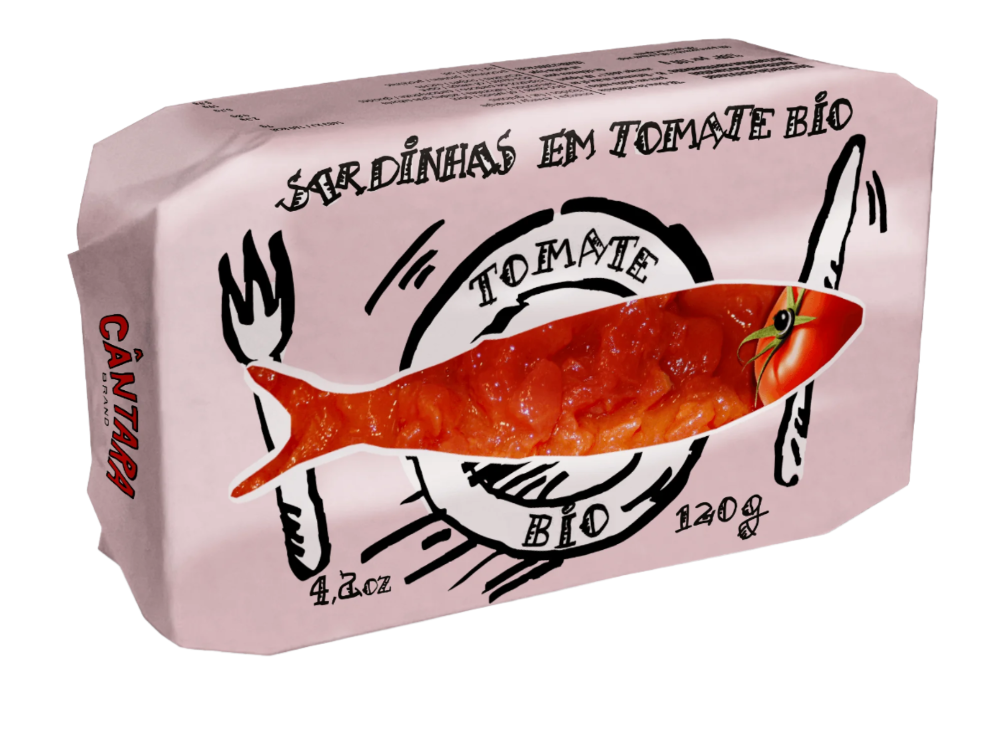
For organic enthusiasts
Certified organic sardines.
👉 Our collection of Portuguese sardines
Frequently asked questions about sardines
Can you eat sardine bones?
Yes. During canning, they become soft and are an excellent source of calcium.
Do I need to drain the oil?
Not necessarily. Quality olive oil is an important part of the product and is often consumed with the fish.
Do sardines contain a lot of mercury?
No. Sardines are small fish, so they accumulate significantly less mercury than large predatory fish.
Are sardines suitable for a keto diet?
Yes. They are rich in protein and healthy fats.
How many times a week can I eat sardines?
For most people, 1-3 servings per week is perfectly suitable.
How do sardines differ from sprats?
While both fish belong to the herring family, sardines are generally larger, meatier, and have more omega-3 fatty acids.
👉 More about the differences between sprats and Portuguese sardines in our article: Sprats are not Portuguese sardines
Are canned sardines healthy?
Yes. Sardines are considered one of the most nutritious seafood products in the world.
👉 Read more about sardine nutritional value here: Sardines are one of the most nutritious food products on the planet
Related articles
-
What are sardines?
-
The history of Portuguese sardines
-
Sprats are not Portuguese sardines
-
Sardines are one of the most nutritious food products on the planet
About the author of the article
The article was prepared by the SARDINELE team, specializing exclusively in Portuguese canned fish products. Currently, SARDINELE's assortment includes one of the largest selections of Portuguese sardines and other canned fish in the Baltic States, and daily work with Portuguese producers allows for direct deepening of knowledge about this unique gastronomic category.
Conclusion
The best canned sardines are not an accidental purchase. Fish species, origin, oil, production method, and even storage time can have a huge impact on the final result.
Therefore, when choosing, it is worth being guided not only by price or label, but also by understanding what is truly hidden inside the can.
If you want to discover the authentic culture of Portuguese canned goods, start with high-quality canned sardines, which allow you to understand why these fish have been valued by gourmets worldwide for more than a century.



Leave a comment
This site is protected by hCaptcha and the hCaptcha Privacy Policy and Terms of Service apply.