
Article: Mackerel: What It Is, Health Benefits and How to Eat It
Mackerel: What It Is, Health Benefits and How to Eat It
Mackerel is one of the most popular oily fish in Europe – a familiar catch from the coasts of Ireland and Britain to Portugal, bought fresh, frozen, smoked and tinned. But what kind of fish is it, why is it so good for you, and why do the Portuguese value tinned mackerel just as highly as sardines? This article covers everything worth knowing about mackerel.
What kind of fish is mackerel?
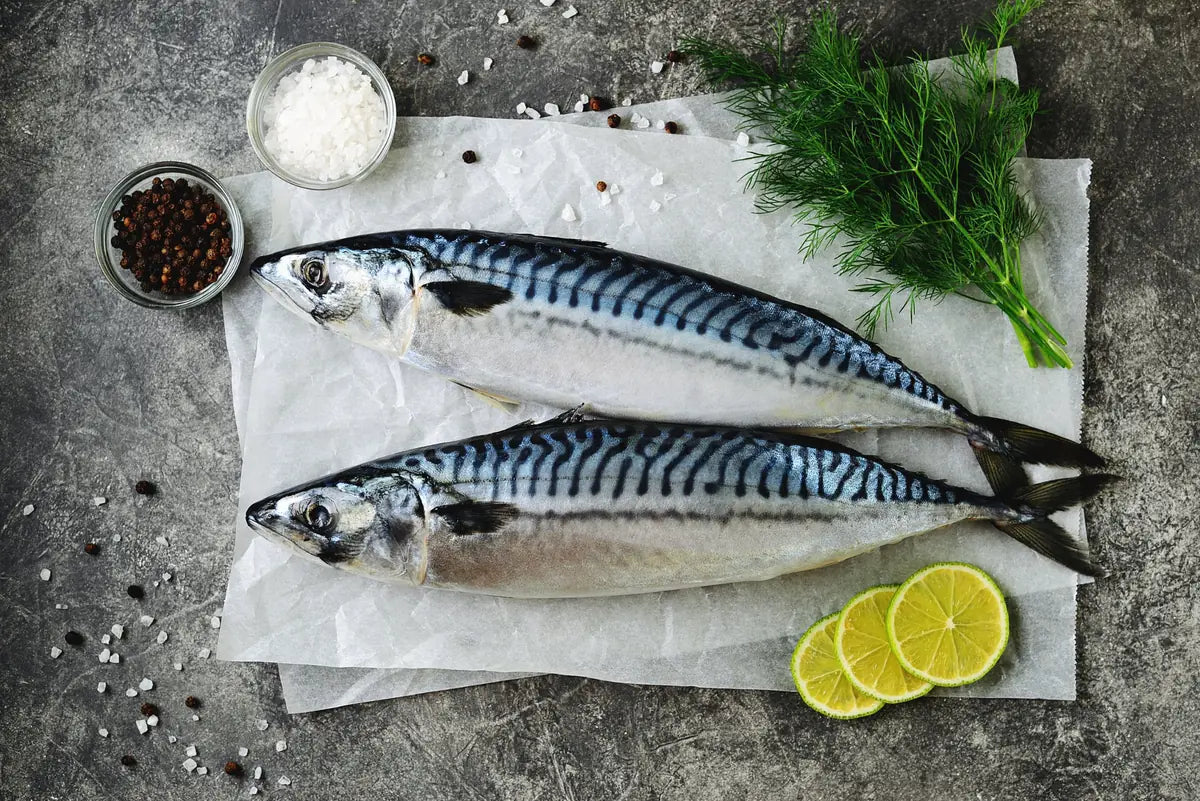
Mackerel is an oily, fast-swimming open-water sea fish that lives in large shoals. It has a long, streamlined body, a blue-green back with dark wavy stripes and a silvery-white belly. In Europe, the most common species is Atlantic mackerel (Scomber scombrus, known in Portugal as sarda), while the closely related Scomber colias (Portuguese cavala) is abundant along the Portuguese coast. Both are widely used for tinned fish.
Mackerel flesh is darker, firmer and richer than that of most white fish, which gives it a full flavour and makes dishes satisfying.
Health benefits of mackerel
As an oily fish, mackerel is one of the best sources of omega-3 fatty acids, which are important for heart health and brain function.
- Protein – 100 g of fresh mackerel contains around 19 g of high-quality protein.
- Vitamin D – one of the few foods that naturally contain this vitamin, which is especially valuable during the darker months of the year.
- Vitamin B12 – important for the nervous system and the formation of red blood cells.
- Selenium – a trace mineral that helps protect cells.
Worth knowing: Atlantic mackerel is considered a low-mercury fish. It should not be confused with king mackerel – a large species from the western Atlantic and the Gulf of Mexico that is high in mercury. In European shops and tins, you will almost always find Atlantic mackerel.
Is tinned mackerel just as nutritious? The tinning process preserves the protein and most of the omega-3 fatty acids. Mackerel in olive oil is a convenient way to eat oily fish regularly, as it is ready to eat straight from the tin.
How many calories are in mackerel?
100 g of fresh Atlantic mackerel contains around 205 kcal, about 19 g of protein and 14 g of fat, much of it beneficial unsaturated fat. The calorie content of tinned mackerel depends on the amount of oil or sauce, so the exact figure is always on the label. If you are counting calories, simply drain off some of the oil before eating.
Fresh, frozen, smoked or tinned mackerel?
Mackerel comes in several forms, and each has its advantages:
- Fresh or frozen – ideal for baking, grilling or pan-frying, but it needs to be gutted and prepared.
- Smoked – a popular snack and pâté ingredient, though usually saltier; hot-smoked mackerel should be eaten within a few days.
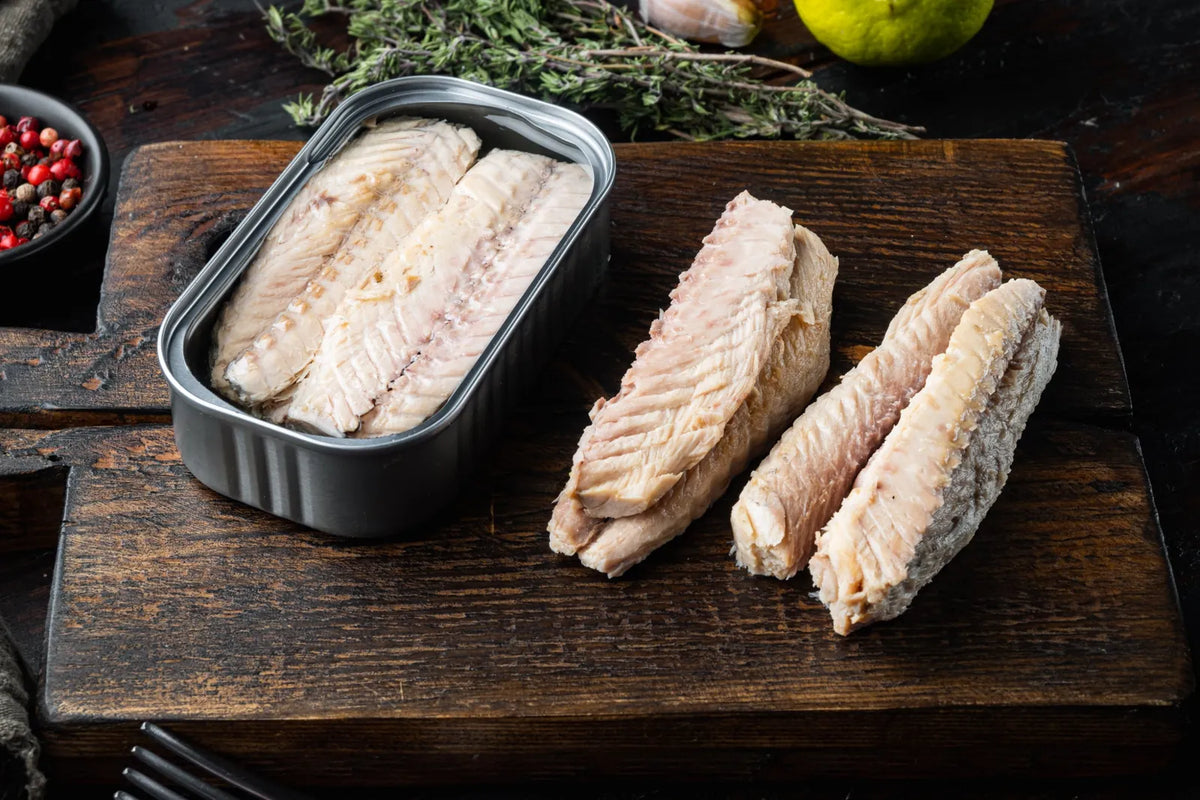
- Tinned – ready to eat, with a long shelf life and always to hand. Portuguese tinned mackerel usually comes as fillets, often packed by hand, in olive oil with natural seasonings or in sauces.
Mackerel, sardine or horse mackerel – what is the difference?
| Mackerel | Sardine | Horse mackerel | |
|---|---|---|---|
| Size | Larger | Small | Medium |
| Flesh | Firm, oily, rich flavour | Tender, oily | Leaner, milder flavour |
| Tinned as | Usually fillets | Usually whole, with soft edible bones | Fillets or whole |
| Portuguese | Cavala / sarda | Sardinha | Carapau |
Despite its name, horse mackerel (also known as scad) belongs to a different family of fish altogether. Sardines, on the other hand, share many of mackerel's benefits and are also usually tinned whole, so you eat the calcium-rich bones too.
How to eat mackerel
Mackerel is one of the most versatile fish in the kitchen, and tinned mackerel needs no preparation at all. A few ideas:
- On toast – with a squeeze of lemon, red onion and parsley.
- In salads – with boiled potatoes, beans, tomatoes or a soft-boiled egg.
- With pasta – gently fry garlic in olive oil, add the mackerel fillets and finish with lemon.
- As a pâté – mash the mackerel with crème fraîche or cream cheese and season with black pepper.
Our tip: don't throw away the oil from the tin – it is full of flavour. Drizzle it over salads, toast or pasta.
What to look for when buying tinned mackerel
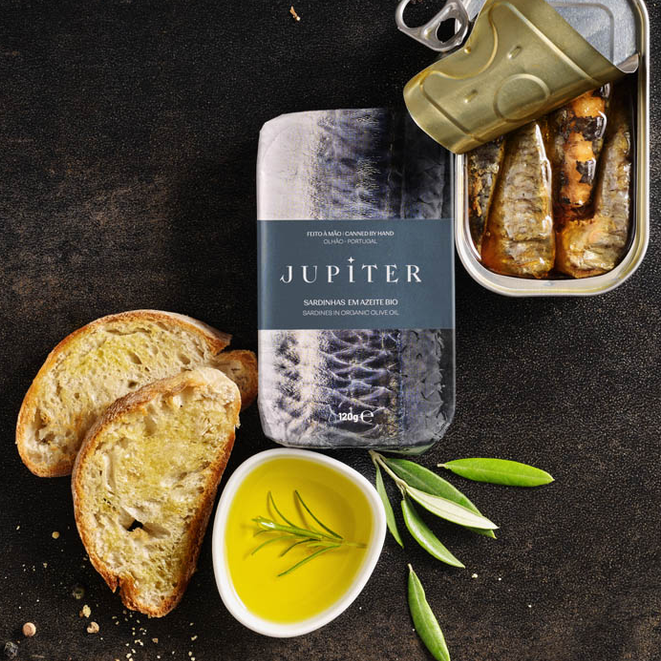
Three things are worth checking: the oil (olive oil is best), the producer and the ingredients (the shorter the list, the better). Portuguese producers are known for their long canning tradition and careful hand preparation, and their range includes mackerel fillets in olive oil, organic options, spicy flavours and mackerel in sauces.
Frequently asked questions about mackerel
Is mackerel a healthy fish?
Yes. Mackerel is one of the best sources of omega-3 fatty acids, protein, vitamin D and vitamin B12, and Atlantic mackerel is low in mercury.
How often can you eat mackerel?
Health guidelines in Ireland and the UK recommend eating at least two portions of fish a week, one of which should be oily – such as mackerel or sardines.
Does mackerel have many bones?
Mackerel has a backbone and a few small bones that are easy to remove. Tinned mackerel fillets are usually free of larger bones.
How many calories are in mackerel?
Fresh Atlantic mackerel contains around 205 kcal per 100 g. The calorie content of tinned mackerel depends on the amount of oil – check the label.
What is the difference between mackerel and horse mackerel?
They belong to different fish families. Mackerel is oilier with a richer flavour, while horse mackerel is leaner and milder.




Leave a comment
This site is protected by hCaptcha and the hCaptcha Privacy Policy and Terms of Service apply.